I grew up in the 1960s, and my oldest sister fell in love with the “back to the land” movement, so she diligently kept a large vegetable and herb garden growing, and we regularly ate meals that included her organic produce. Our grandparents kept us supplied with tree fruit and nuts. I believe that this clean eating contributed to our general well-being—we rarely got sick. But when we hurt ourselves or got a cold or the flu, Mom and Dad were on the job, and doctor’s bills were practically nonexistent.
As an adult, I, too, was intrigued with growing my own food, making many home and personal care products, and taking care of illness and minor injuries with natural remedies as much as possible. And for many years, I have done just that—we have a large vegetable garden, an orchard, and a medicinal and culinary herb garden. I live in the Pacific Northwest, and foraging is also a common practice with many of my friends and neighbors.
I have said many times that we prefer to live “low on the hog,” meaning that we have chosen to live a simple and frugal lifestyle. Yes, we live on acreage in a rural setting, which I find is ideal for our chosen lifestyle, but I’ve also thrived in the city (college years) and in a suburban setting (married with young children), and I still managed to live a simple, homemade life. I’m a firm believer that it’s not so much where you live but rather how you live—you can be a homesteader wherever you are if you have a bent toward self-reliance.
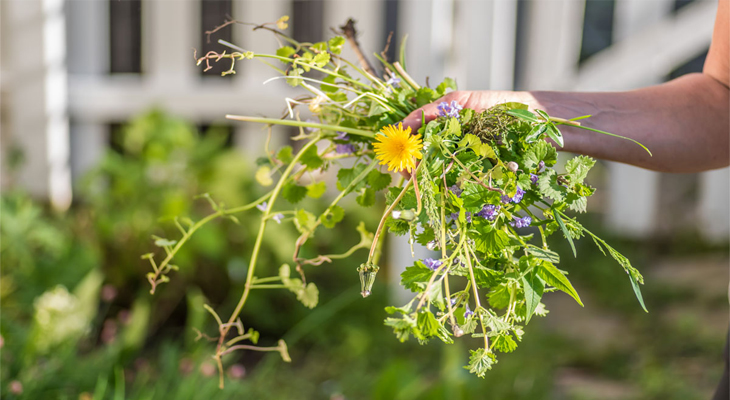
Even if you don’t have a green thumb, you can “grow” weeds, but that doesn’t make them welcome in your garden. Of course, hand weeding is the best way to eliminate them, but here are some easy-to-use techniques to get rid of them if hand weeding isn’t on the agenda.
- Pour boiling water on them. This is in some ways the safest type of weed control because water won’t change the pH balance in your soil or leave behind toxic elements that may continue killing any plants that go into that part of your garden. However, if you have a long walk from your boiling water source to the garden, the water can cool enough that it’s not always effective, especially on tough weeds. Still, it’s worth a try.
- Sprinkle table salt on weeds where they are hard to pull, such as in sidewalk cracks and at the bottom of walls or fences. The salt will kill the weeds quickly. In fact, you should start seeing them begin to wilt by the next day. But don’t put salt on your garden areas, because your plants won’t survive any better than the weeds do.
- Douse weeds with vinegar. Fill a spray bottle with white vinegar and soak the weeds well. Repeat after top watering or rain. Remember that using vinegar will change the pH of the surrounding soil, so use sparingly in garden areas and target just the weeds themselves. You can also add a squirt or two of dish soap to the vinegar for a bit of additional weed-killing power.
- Rig up a small propane tank with a tube and nozzle that can withstand flame, and then burn your weeds. Keep in mind that you’ll burn anything if you hold the flame too long in any one spot (think wooden slats). You can also buy a weed burning torch that has everything you’ll need except for the propane tank to get going quickly and save yourself the hassle of fabricating the item from scratch (especially good if you’re not mechanically inclined). This works super well, but it can be a bit pricey. Still, it’s a dandy fix if it’s within your budget and is especially helpful for large, weedy areas.
***
Harness the Healing Power of Homemade Remedies.
The Homestead Herbal Remedies Guide, by Georgia Varozza, equips readers with simple, time-tested herbal remedies for everyday ailments, personal care, home use, and overall wellness using affordable ingredients that are easy to grow, forage, or purchase. With practical guidance on creating homemade balms, creams, oils, and more, this accessible resource helps readers care for themselves and their loved ones naturally and confidently.
Learn more about the book and how to purchase here.

Leave a Reply